
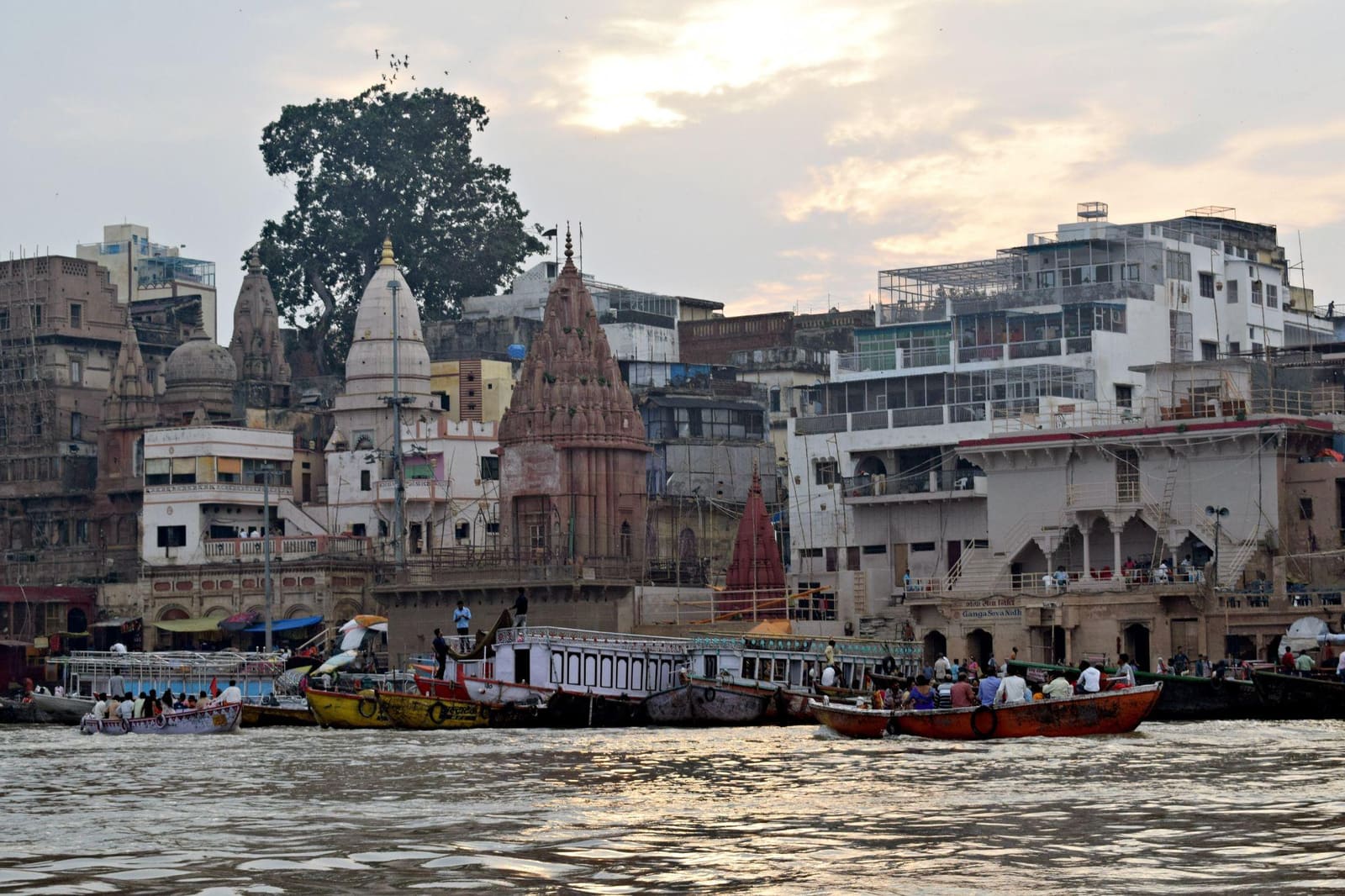
There is a saying among old India hands, the ones who have spent decades leading travellers up mountain passes, across desert dunes, and down backwater canals: India is not a country you visit. It is a country you experience in instalments. No single trip, however long, will ever show you all of it. But a well-planned first trip can show you enough of it to change how you see travel altogether.
I have been building itineraries across this country for the better part of three decades now, long before "India travel guide" was something you typed into a search bar. In that time I have watched the Golden Triangle circuit evolve from a dusty backpacker trail into a polished heritage experience, watched Ladakh go from a forbidden military zone to one of the most requested adventure destinations in Asia, and watched thousands of first-time visitors arrive nervous and leave transformed. This guide is everything I wish every first-time traveller knew before they booked their "India holiday package".
Why India Deserves a Place at the Top of Your Travel List
India is not one destination. It is closer to a continent pretending to be a country. In the space of a single trip, you can stand before the marble perfection of the Taj Mahal at sunrise, ride a camel across the Thar Desert by evening, and sip tea on a houseboat in Kerala's backwaters a few days later. Few places on earth offer that kind of range without ever needing a second passport stamp.
What separates India from other bucket-list destinations is depth. Every state has its own language, cuisine, architecture, and rhythm of life. Rajasthan's forts tell a different story than Kerala's spice plantations, which tell a different story again from the monasteries of Ladakh or the temples of Tamil Nadu. This diversity is precisely why tour packages in India work so well when they are properly curated. Left to chance, a first trip can feel overwhelming. Planned with intention, it becomes the most efficient education in culture, history, and natural beauty that travel has to offer.
When Is the Best Time to Visit India?
This is the single most common question I have fielded in thirty years of planning trips, and the honest answer is: it depends on which India you want to see.
- October to March: the classic window for most of the country, including Rajasthan and the Golden Triangle — warm days, cool nights, clear skies, ideal for heritage circuits and wildlife safaris
- April to June: the Himalayan season, as hill stations like Shimla, Manali, and the Kashmir Valley come into full bloom, and high-altitude routes such as the Char Dham Yatra and early-season Ladakh trips open for the year
- July to September: monsoon across most of the country, but Kerala at its greenest and most atmospheric, and Ladakh, sitting in a rain shadow, at its clearest and most dramatic
A working rule I give every client: decide on your destination first, and let the destination tell you the season, rather than the other way around. A Kashmir houseboat in April and a Kerala backwater cruise in December are both correct answers to "when should I visit India" — they are simply answers to different questions.
The Classic Circuits Every First-Time Visitor Should Know
After thirty years of building itineraries, I keep coming back to a handful of circuits that consistently deliver the highest satisfaction for travellers new to India. If you are planning your first India tour package, start here.
1. The Golden Triangle (Delhi, Agra, Jaipur)
This is India's front door, and for good reason. In five to six days you move from the layered history of Delhi, through the Mughal grandeur of Agra and the Taj Mahal, into the pink-hued royal architecture of Jaipur. It is compact, logistically simple, and delivers an outsized cultural payoff for the time invested. Nearly every first-time visitor to India should build their trip around some version of the Golden Triangle, whether as a standalone week or as the opening chapter of a longer journey. Not sure how many days to allow? Our 3-day vs 5-day vs 7-day Golden Triangle comparison breaks it down.
2. Royal Rajasthan
For travellers who fall in love with the Golden Triangle and want more, Rajasthan rewards a longer stay. Jodhpur's blue old city, Jaisalmer's desert fort rising out of the Thar sands, and Udaipur's lake palaces each feel like a completely different kingdom, because historically, they were. A Rajasthan tour package of nine to ten days is where India's reputation as a land of maharajas and forts truly comes alive.
3. Kashmir and the Himalayan North
Often called "Paradise on Earth" for good reason, a Kashmir tour package built around Srinagar's Dal Lake houseboats, Gulmarg's meadows, and Pahalgam's valleys is one of the most visually spectacular short trips available anywhere in Asia. Pair it with Ladakh for travellers who want both alpine gardens and high-altitude desert in a single journey. For timing, see our season-by-season guide to the best time to visit Kashmir, and for what to see once you are there, our guide to Srinagar, Gulmarg and Pahalgam.
4. Kerala's Backwaters
The south of India moves at a different pace entirely. A slow cruise through Kerala's backwaters on a traditional houseboat, followed by time in the tea-covered hills of Munnar and the beaches of Kovalam, is the antidote for travellers who found the north's forts and deserts exhilarating but exhausting. This is India at its most relaxed. Wondering what it costs? See our Kerala houseboat price breakdown.
5. The Char Dham Yatra
For travellers seeking something more spiritual, the Char Dham Yatra, covering the four sacred Himalayan shrines of Yamunotri, Gangotri, Kedarnath, and Badrinath, remains one of the most meaningful journeys in the country. It demands more physical preparation than a leisure holiday, but few experiences match the sense of arrival at 11,000 feet, standing before a temple that has drawn pilgrims for over a thousand years. Our Char Dham Yatra guide covers the route, registration, best time to go and what to pack.
6. Ladakh
High-altitude, dramatically beautiful, and unlike anywhere else in India, a Ladakh trip through Leh, Pangong Lake, and Nubra Valley is best suited to travellers with a taste for adventure and a bit more time to acclimatise properly. This is not a rushed weekend destination, and any operator who tells you otherwise is not planning it correctly.
How to Actually Plan a Trip to India (Without the Overwhelm)
Every year I meet travellers who have spent months reading forums and still feel less confident than the day they started. That is the wrong outcome from that much research. Here is the process I recommend instead.
- Start with time, not destinations — decide how many days you realistically have, including arrival and departure, before you fall in love with a dozen places you cannot fit in
- Pick one region, not a checklist — a trip covering Delhi, Agra, Jaipur, Kashmir, Kerala, and Goa in ten days will leave you exhausted and unable to remember which city had which fort. Choose one circuit and go deep
- Build in buffer days — flight delays, monsoon disruptions, and the simple fact that you will want an extra hour at a fort you did not expect to love, all argue for a schedule with breathing room
- Work with someone who has actually driven the route — itineraries built by people who have physically travelled the roads, stayed in the recommended hotels, and eaten at the suggested restaurants are categorically different from itineraries assembled purely from research
What a Good India Tour Package Should Actually Include
Not all India holiday packages are created equal, and after thirty years I can usually tell within five minutes which operators have genuinely done the legwork. A well-built package should include:
- Transparent, itemised pricing with no hidden inclusions or exclusions
- Accommodation and transport that has been personally vetted, not simply listed from a database
- Realistic day-by-day pacing that accounts for road conditions, altitude, and travel fatigue
- A dedicated point of contact before, during, and after the trip
- Flexibility for weather, health, or personal preference changes without punitive fees
If a package cannot clearly answer what happens if your flight is delayed, or what the cancellation policy looks like seven days before departure, that is worth asking about before you book, not after.
Final Thoughts From Thirty Years on the Road
If there is one thing three decades in this business has taught me, it is that India rewards travellers who plan with intention and stay open to surprise in equal measure. The itinerary gets you to the fort at the right hour for the light. What happens once you are standing in front of it is yours alone.
Whether your first journey through Incredible India takes you along the Golden Triangle, into the Himalayas for the Char Dham Yatra, across the lakes of Kashmir, or through the quiet backwaters of Kerala, the goal is the same: a trip built around how you actually want to travel, not a generic template stretched to fit.
At Paryatan, every tour package we build starts with a conversation, not a template. If you are ready to start planning your own India journey, our travel experts are one call away.
Frequently Asked Questions
What is the best time of year to visit India?
October to March suits most of the country, including Rajasthan and the Golden Triangle. April to June is ideal for the Himalayas and Kashmir, while July to September is best for Kerala and Ladakh.
How many days do I need for a first trip to India?
A minimum of six to seven days is recommended for a single circuit such as the Golden Triangle. Ten to fourteen days allows for a more complete regional experience, such as Rajasthan or Kerala combined with a shorter add-on.
Is it safe for first-time travellers to visit India?
Yes, with sensible precautions and, ideally, a locally experienced travel partner who can handle logistics, transport, and on-ground support throughout the trip.
What is the Golden Triangle tour?
The Golden Triangle refers to the classic Delhi–Agra–Jaipur circuit, covering the Taj Mahal and the heritage cities of North India in five to six days.
Do I need a guide for the Char Dham Yatra?
Given the altitude, terrain, and religious significance of the route, a properly planned itinerary with local support is strongly recommended for the Char Dham Yatra.
Keep reading
Destination Guides
Kashmir Tour Package: Best Places to Visit in Srinagar, Gulmarg & Pahalgam
Destination Guides
Char Dham Yatra Guide: Route, Registration, Best Time & What to Pack
Travel Planning
Golden Triangle Tour Itinerary: 3-Day vs 5-Day vs 7-Day Options Compared
Travel Planning
How Much Does a Kerala Backwaters Houseboat Trip Cost? Full Pricing Breakdown
Destination Guides
The Best Time to Visit Kashmir — A Season-by-Season Guide